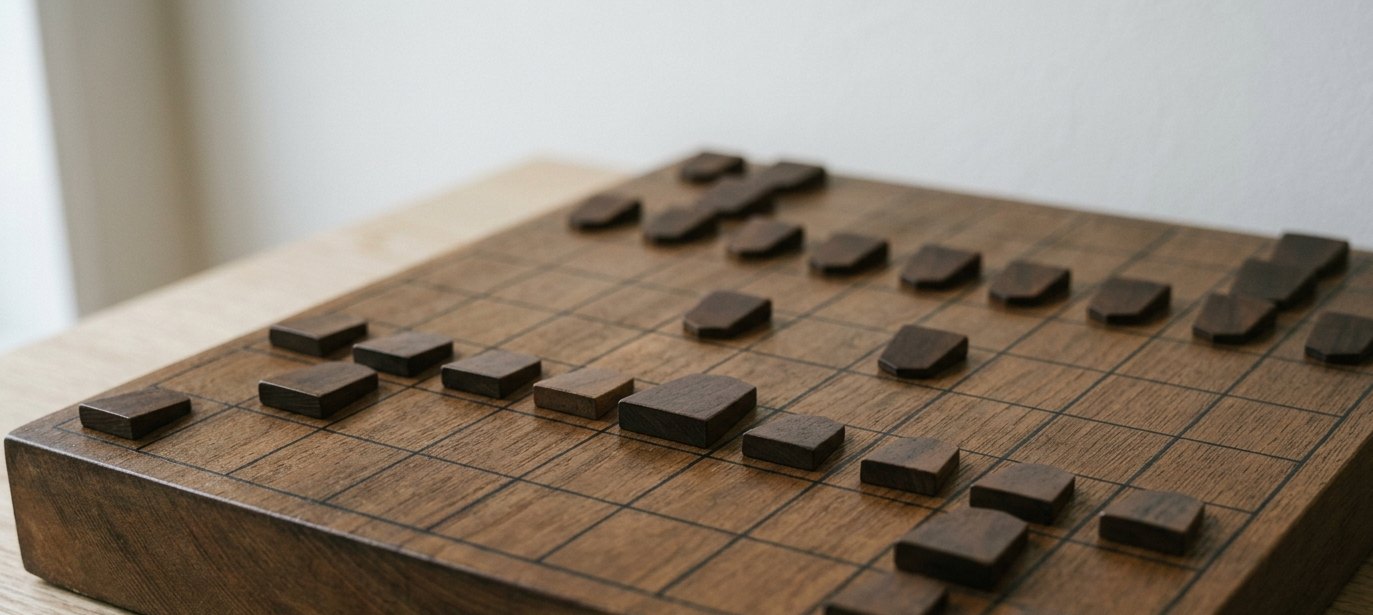
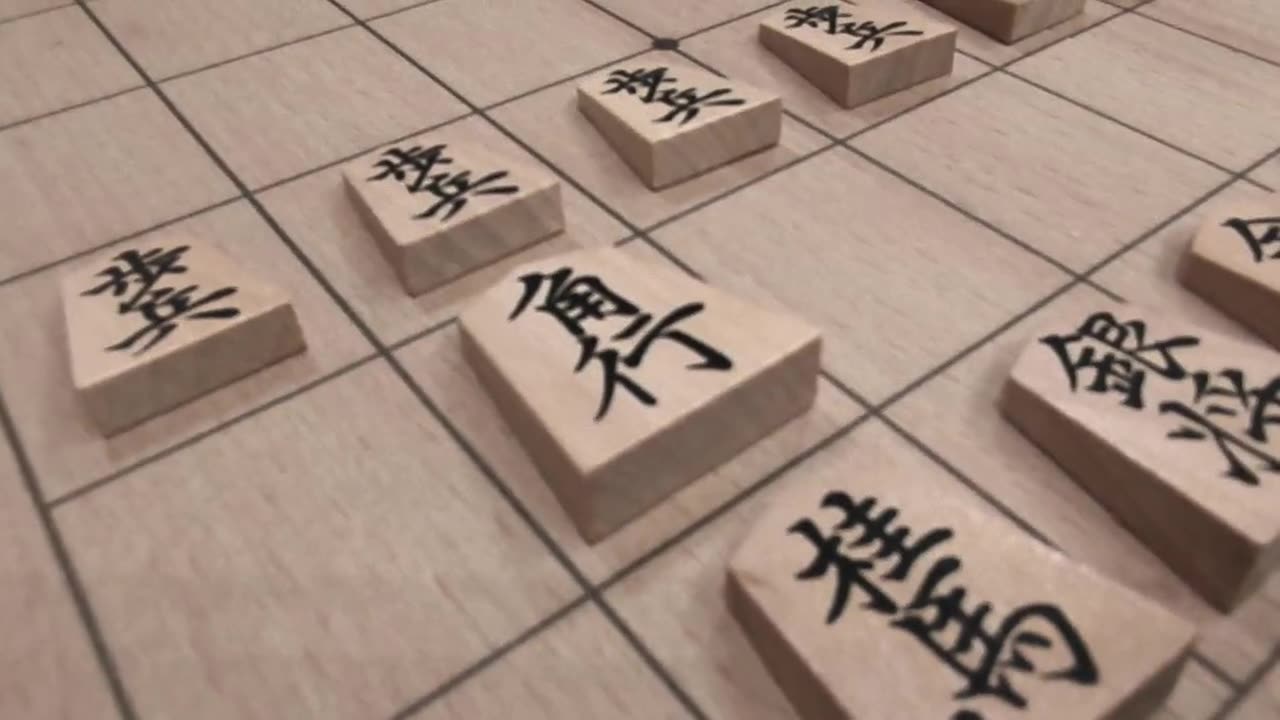
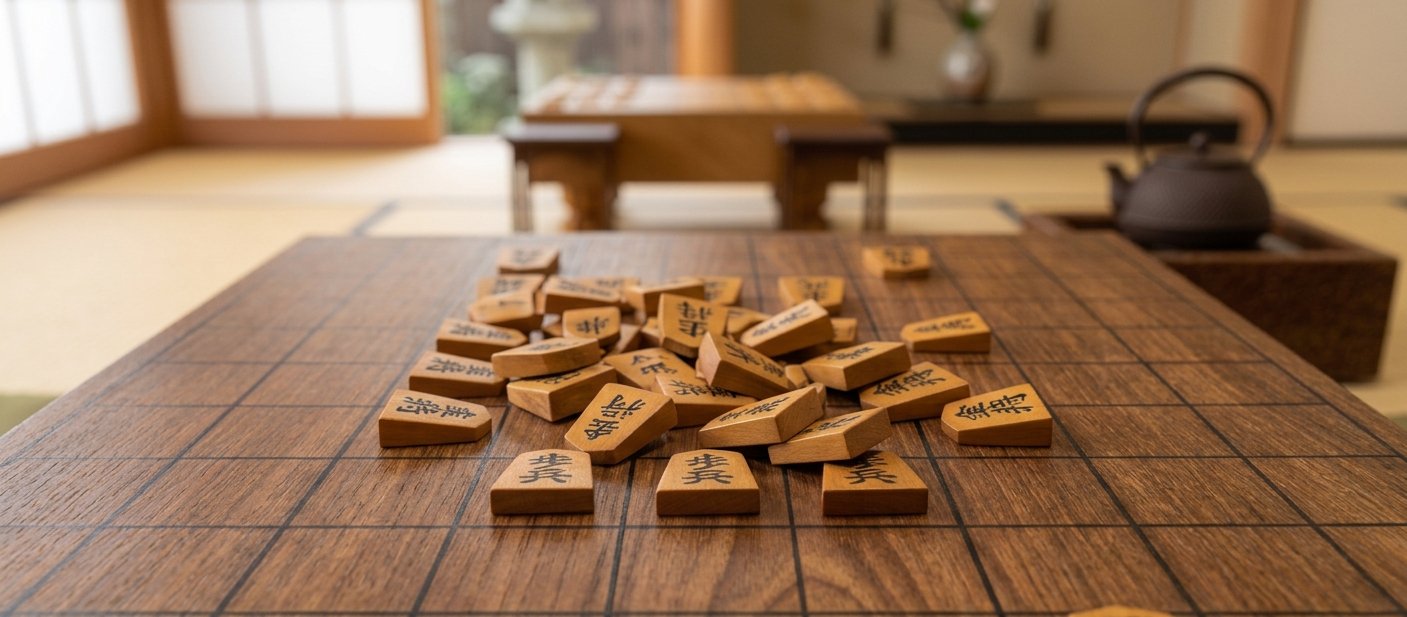
Two pawns
二歩Dropping a pawn on a file (here the fourth) that already holds one of your unpromoted pawns. It still happens even in professional games.
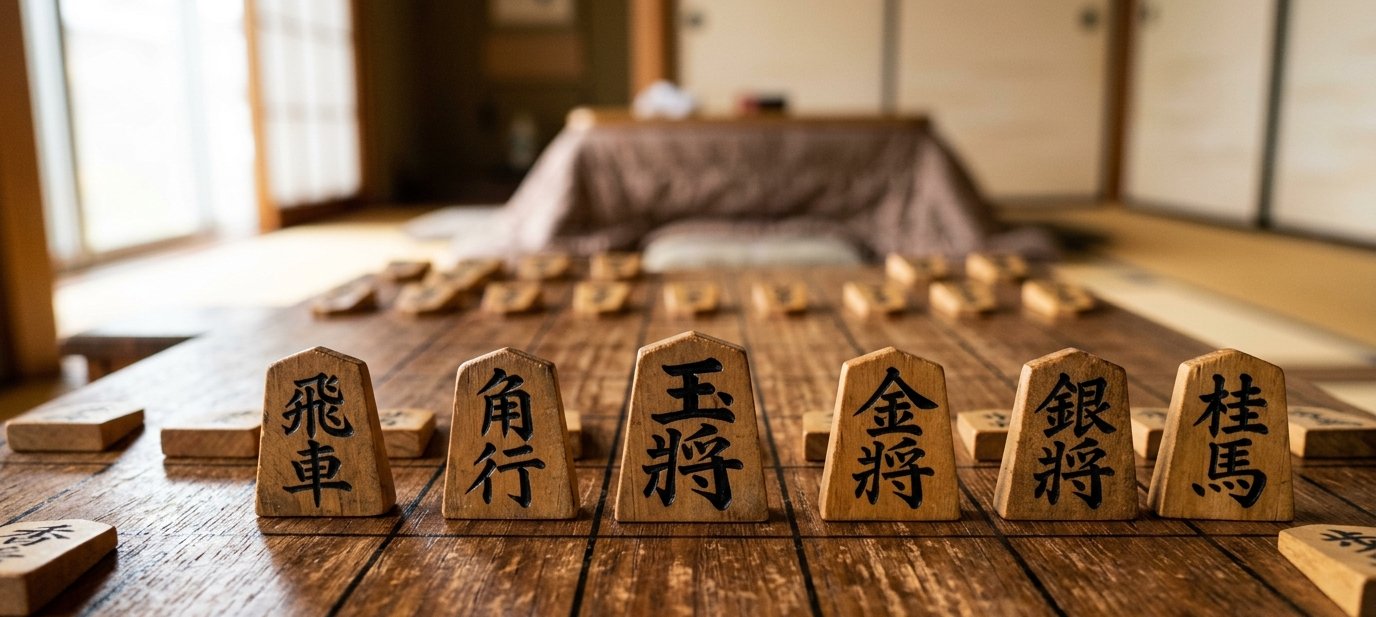
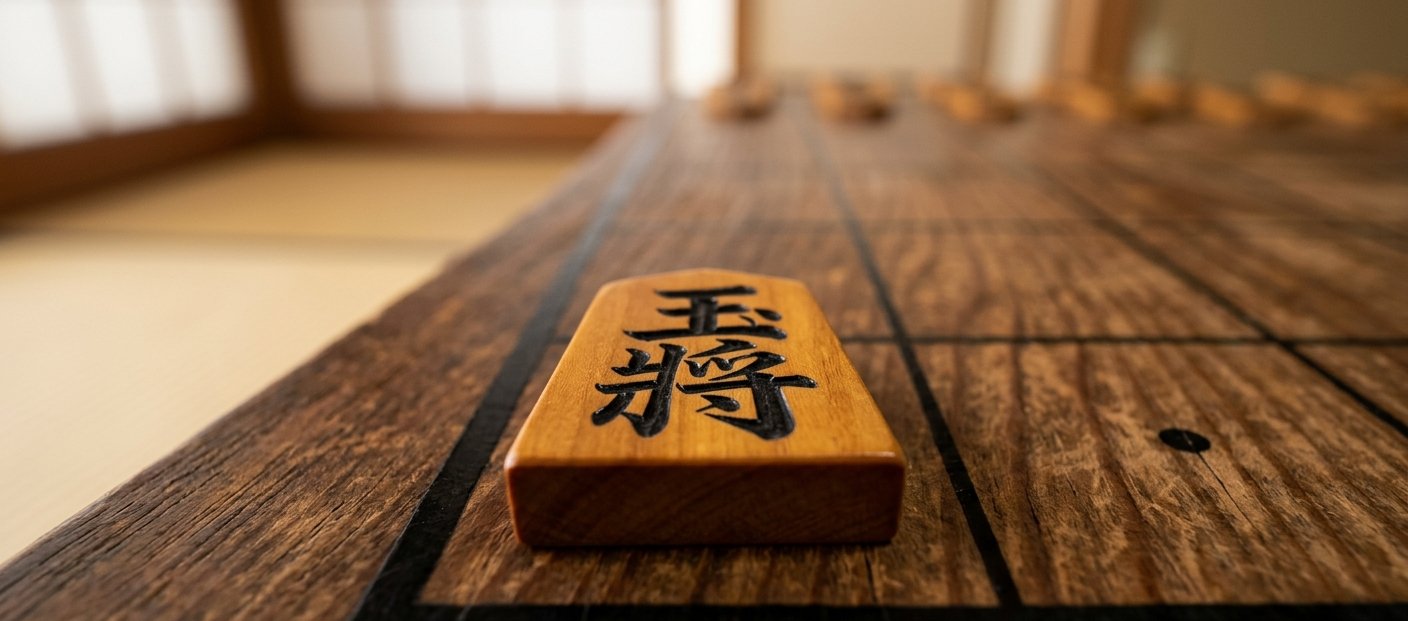
Shogi (将棋) is a Japanese board game in which two players each move twenty pieces across a 9×9 board, aiming to capture the opposing king.
It shares its roots with Korean janggi and Western chess, but one rule changes everything: a piece you capture becomes yours, and you can drop it back onto the board. Pieces rarely leave the game, and the result can turn until the very last move.
Korean janggi and Japanese shogi branched from the same ancestor. Only a handful of rules set them apart.
In professional play, a foul loses the game on the spot (hansoku-make). These are the fouls every beginner should know.
Dropping a pawn on a file (here the fourth) that already holds one of your unpromoted pawns. It still happens even in professional games.
Giving checkmate by dropping a pawn from hand on 12 is illegal, even though the king has nowhere to go. Mating by moving a pawn already on the board is fine.
Placing a piece where it can never move again. An unpromoted pawn or lance cannot stand on the last rank, nor a knight on the last two; moving there requires promotion.
Before attacking, shogi players move the king to safety and surround it with golds and silvers. This defensive formation is called a castle (囲い, kakoi). The diagrams show only the pieces that form each castle.
The signature castle of Ranging Rook. The king moves to 28 and is wrapped by one silver and two golds. Quick to build and strong against attacks from the side.
A Mino without the left gold on 58. It is one move quicker, so it suits fast games, and can later grow into a full or High Mino.
A Mino with the left gold raised to 47 and the fourth-file pawn pushed. It holds up better against pushes from the front.
From High Mino, the silver caps the king on 27 and a gold joins on 38. Especially strong against attacks from above, it suits long, patient games.
A Mino variation with the king on 28, gold on 38 and the silver pushed up to 47. The advanced silver adds central strength and pairs with openings such as Silver Horns Central Rook, but 57 and 49 are left thin against side attacks.
The king burrows into the right corner on 19, with the lance on 18 and the silver on 28 closing the lid. The mirror image of the Static Rook version; golds are added to make it even harder.
A fortress defined by its silver on 77. The king sits on 88 behind two golds and a silver, solid against a frontal attack. Long regarded as the orthodox castle of shogi.
A Fortress with a silver on 67 where the Gold Fortress has a gold. Its two silvers stand side by side, and it is used in Double Static Rook games alongside the Gold Fortress.
The Gold Fortress with its 78 gold moved to 68 and the king on 78. Closer to the centre, it takes fewer moves and stands up well to attacks from the front. Also named after the Edo-period master Sōho Amano.
The king burrows into the corner on 99, the lance steps up to 98, and silver and golds close the lid. Hard to check, it is often called the sturdiest castle, but it takes many moves and leaves no escape once broken.
Move the king to 78 and the right gold to 58 and it is done. Built in a few moves so you can attack at once, but it is thin.
The Boat castle with the 58 gold moved to 68, shoring up the weak 69 gold. Built in one move and sturdier than the Boat, it suits rapid attacks, though the king has little room and the 79 silver is hard to activate.
A Mino built in mirror image on the Static Rook side: king 88, silver 78, golds 69 and 58. Quick to build yet sturdy against Ranging Rook.
Golds on 78 and 58 flank the king on 69, with two silvers side by side on 67 and 57. An old castle that came back into fashion among professionals around 2017.
Gold 78, silver 68 and gold 58 line up with the king on 69 behind them. Built in four moves from the start, it is common in quick Fortress attacks and handicap games.
A Mino with the left silver added on 47, so two silvers and two golds form a diamond. Very thick, but it takes many moves to build.
From Left Mino, push the eighth-file pawn and raise the king to 87. Standing tall above the bishop, it resembles a castle keep. Strong from the side, but open above.
A Fortress variant with the king tucked low on 89, the silver on 88 and the knight on 77. Low and hard to check, it is played with a feel close to Bear-in-the-hole.
A Boat castle with the gold moved from 69 to 79 and the silver on 68. The gold is backed by the silver and the king can escape to 69. Spread by the computer shogi program elmo.
The knight jumps to 77 and the king slips into the vacated 89, wrapped by silver and golds. Off the bishop's diagonal, it is very solid. Named for its popularity around 2000.
King on 38, two golds side by side on 48 and 58, and the silver raised to 28 to cover the top. Common when both players swing their rooks.
The king stays in the centre on 58 with golds spread to 78 and 38; the silvers vary by position. Suited to open, board-wide fighting.
A classic Fortress with the king on 78, silver on 77, the left gold raised to 67 and the right gold on 58. Named after honorary Meijin Ichitarō Doi.
A simple castle with the king on 68 and golds on 78 and 58, leaving the left silver on 79 to guard the bishop. Quick to build.
Shogi openings split into two families: Static Rook (居飛車), where the rook stays on its starting file, and Ranging Rook (振り飛車), where it swings to the left. Ranging Rook is named by where the rook lands: Central Rook (file 5), Fourth File Rook (file 6), Third File Rook (file 7) and Opposing Rook (file 8).
The right silver climbs straight up, 38, 27, 26, and with the rook and pawn behind it breaks through on the second and first files. Simple to learn, it is the first attack most beginners are taught.
Push the third-file pawn to 36, rush the silver up via 48 and 37 to 46, and aim for a break with P-35. It starts the fight sooner than Climbing Silver.
The silver sits on 56, resting on the pawns on 46 and 57, hence the name. It is the signature setup of Bishop Exchange games.
The rook moves to the fourth file on the right (48) and, backed by the silver, crashes through starting with P-45. Simple and powerful, it is popular among amateurs.
Both bishops are traded early and held in hand. Since a bishop can be dropped almost anywhere, both sides build carefully to leave no weak spots. A mainstay of professional play.
Both sides push and exchange their rook pawns before opening the bishop diagonals. The rook often floats on 26, and with few fixed patterns it becomes a contest of strength.
After exchanging pawns on the second file, the rook of Black slides sideways to take the pawn on 34. Black wins a pawn but the rook goes deep, leading to sharp play.
An edge attack that stacks the lance on 17 and the rook on 18 on the first file, jumps the knight to 25 and pushes the edge pawn to concentrate on White's 13. Masao Tsukada used the prototype in the 1947 Meijin match, and Kōzō Masuda developed it into a mainstay of Fortress games.
An answer to the Gokigen Central Rook: the right silver races 48–37–46 to attack White's 55 pawn. Devised by Yoshitaka Hoshino while a 3-dan apprentice; it won the Kōzō Masuda Award in 2010.
The classic Ranging Rook: the rook swings to 68 while the king hides in a Mino castle on the other side, absorbing the attack and then striking back.
The rook moves to the centre square 58 and fights on the fifth file. It presses the centre from the start, making it a popular attacking form of Ranging Rook.
A classical Central Rook with the rook on the fifth file and both silvers raised to 67 and 47 like horns. The golds on 78 and 38 keep the position balanced, and the king sits in a Kimura Mino.
The rook moves to 78. Pushing the seventh-file pawn puts the rook to work early, and it leads into attacking forms such as Ishida.
From Third File Rook, the seventh-file pawn goes to 75 and the rook floats on 76. With the knight on 77 and the bishop on 97, the full Ishida formation is considered the ideal.
The rook moves to 88 to face the opposing rook head-on, meeting the attack on that file directly and countering.
A Fourth File Rook system devised by Takeshi Fujii 9-dan. Leaving the king on its starting square 59, it raises the silver to 38 and pushes the edge pawn, attacking before the Static Rook Bear-in-the-hole is complete.
An aggressive Central Rook: the bishop diagonal stays open (pawn on 76) while the fifth-file pawn goes to 55 and the rook to 58. Popularised by Masakazu Kondo.
A modern Fourth File Rook that keeps the bishop diagonal open, trades bishops, recaptures with the silver on 88 and fights with a bishop in hand.
Both players swing their rooks. The diagram shows Black on 78 and White on 32 (both Third File Rook). Special castles such as Gold Musou are used.
A trap opening that jumps the knight early via 77 to 65, even blocking its own bishop, to target 53 and 73. Crushing against an unprepared opponent, but the knight is stranded against accurate defence.
After an early bishop trade, the bishop is dropped on 45 — a different diagonal from its home — to win the pawn on 34 (and sometimes 63).
The rook slides one file over from 28 to 38 and the third-file pawn advances to break through on the third file, aiming at the 'sleeve' of the enemy castle.
The king sits on 48, on the rook's side. The rook drops back to 29 to guard the camp, and pieces are spread across the board to absorb the attack and counter.
Devised by amateur Hiroaki Ureshino: 1. S-68 and 2. B-79, using the bishop from 79 and switching the direction of attack depending on the reply.
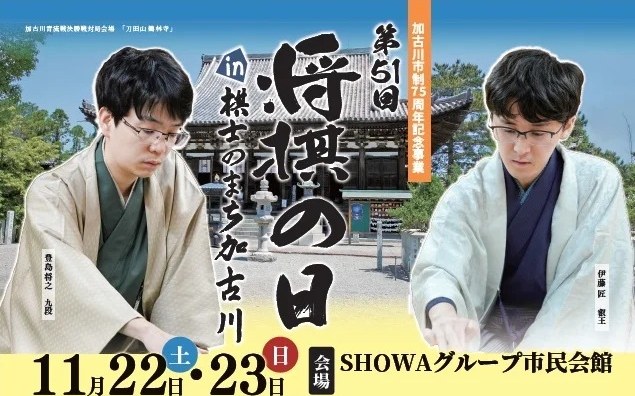
Every 17 November. The eighth shogun, Tokugawa Yoshimune, fixed this day for the castle games (oshiro shogi) played before the shogun, and the Japan Shogi Association took it as its anniversary.
Visit ›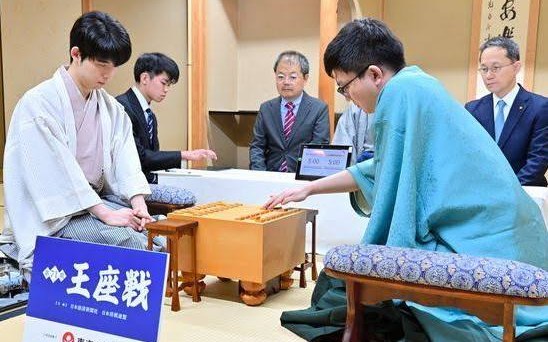
The summit of shogi, contested for eight major titles. Players wear kimono and hakama, and two-day games end the first day with a sealed move (fūjite). Held at inns and hotels across Japan, they often become local events.
Visit ›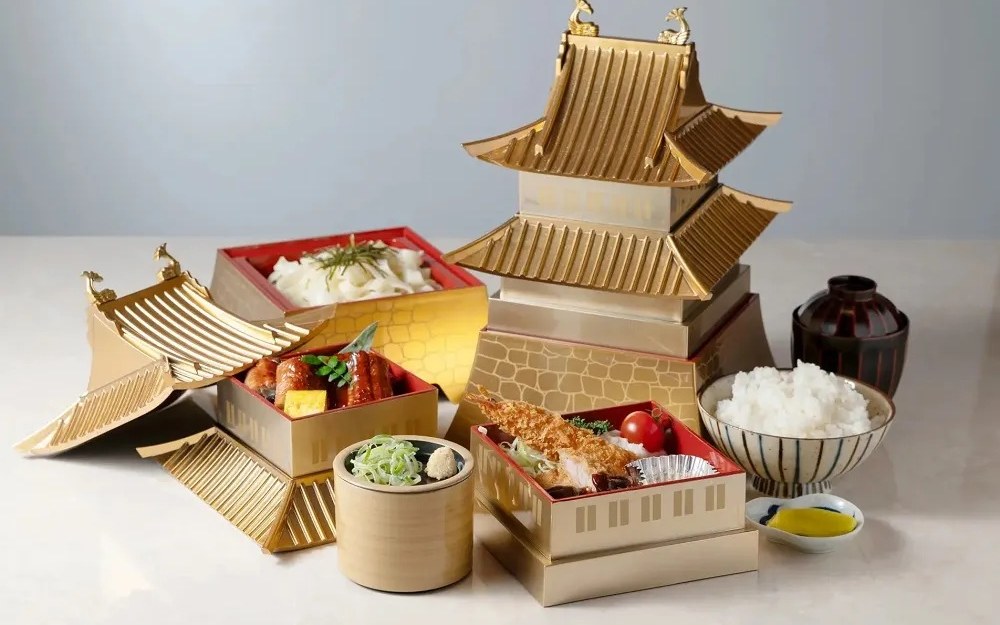
The lunches and snacks players order during a game. What they choose makes the news, and the restaurants become pilgrimage spots for fans.
Visit ›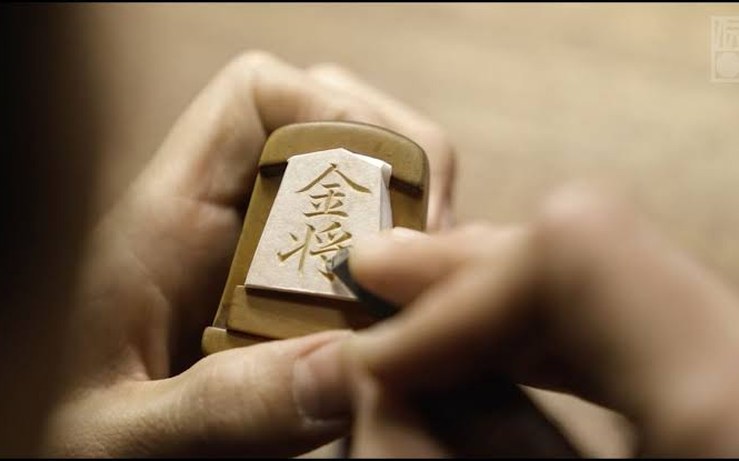
Fine pieces are carved into boxwood and built up with lacquer (moriage-goma). A Tendō carver who hand-cuts pieces of title-match quality has been named one of Japan's Contemporary Master Craftsmen.
Visit ›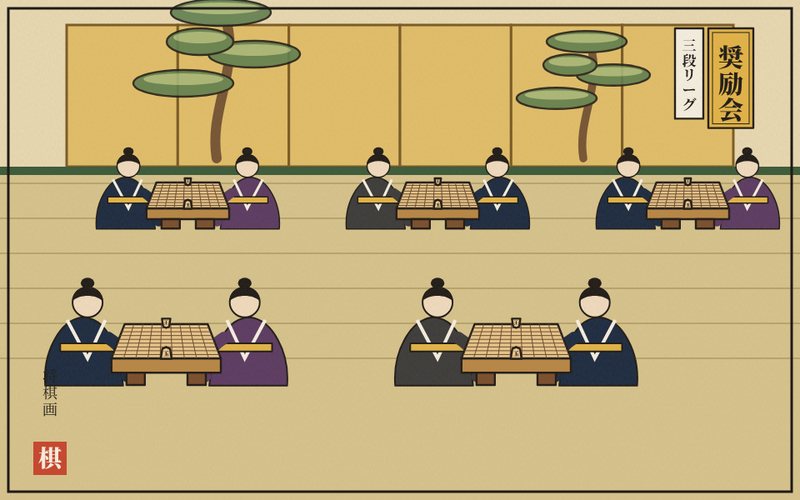
The Japan Shogi Association's training league for professionals. Members climb the kyu and dan ranks; in the twice-yearly third-dan league only the top two are promoted to 4-dan and turn pro. As a rule, those who have not reached 4-dan by age 26 must leave.
Visit ›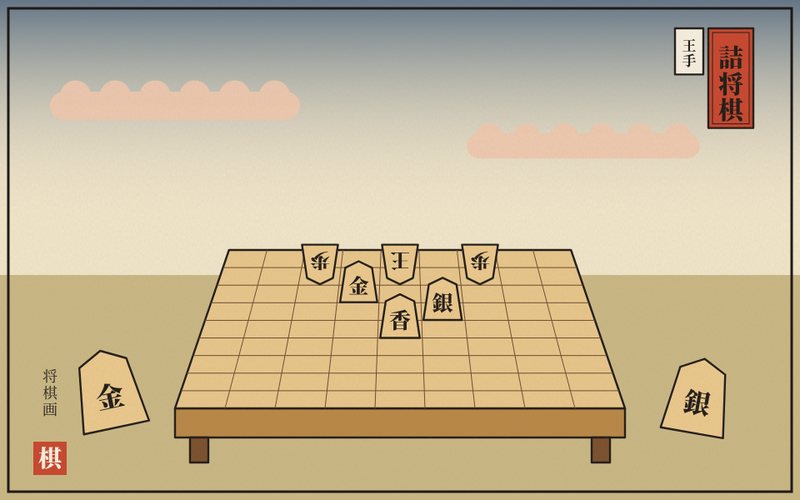
Shogi mating puzzles: find the sequence that checkmates the king, giving check on every move, with the shortest line as the answer. The Japan Shogi Association posts a new one every day.
Visit ›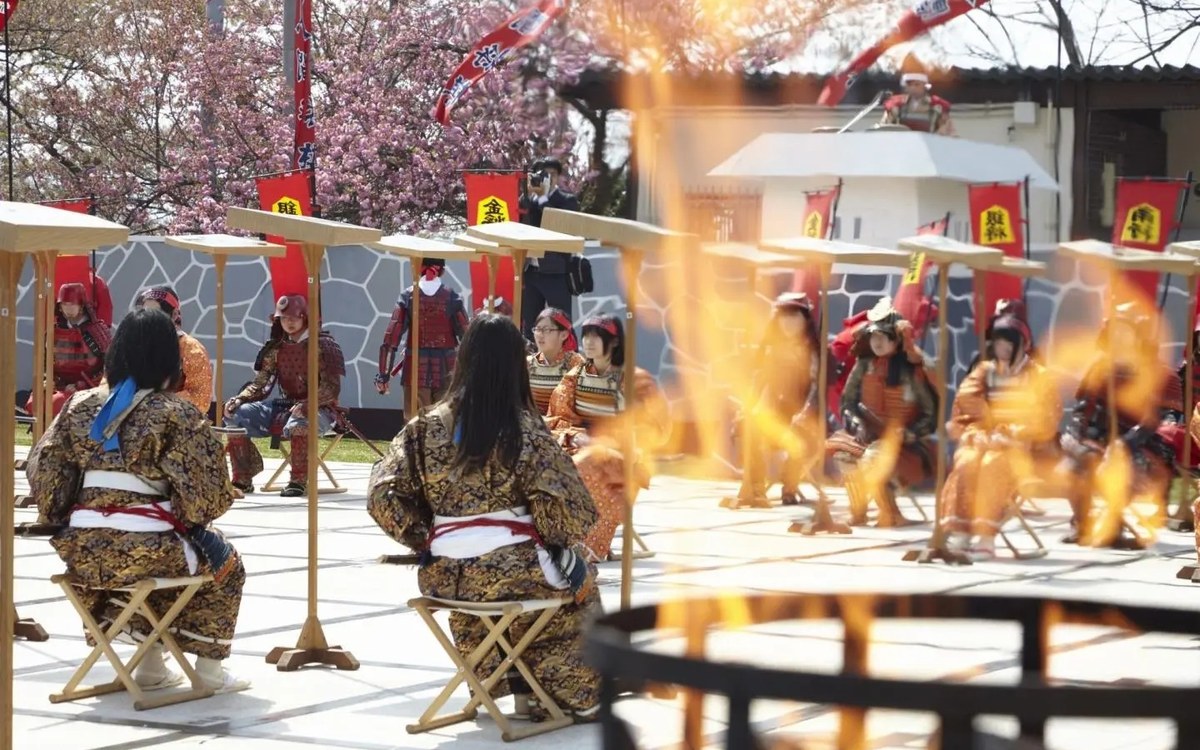
Japan's top producer of shogi pieces. Every year in late April, during the cherry blossom festival, people dress as pieces for the Human Shogi (ningen shogi) game.
Visit ›
Headquarters of the Japan Shogi Association, moved into a new building in September 2024. On the ground floor, Kinone combines a dojo, shop and café — a good stop for any shogi fan.
Visit ›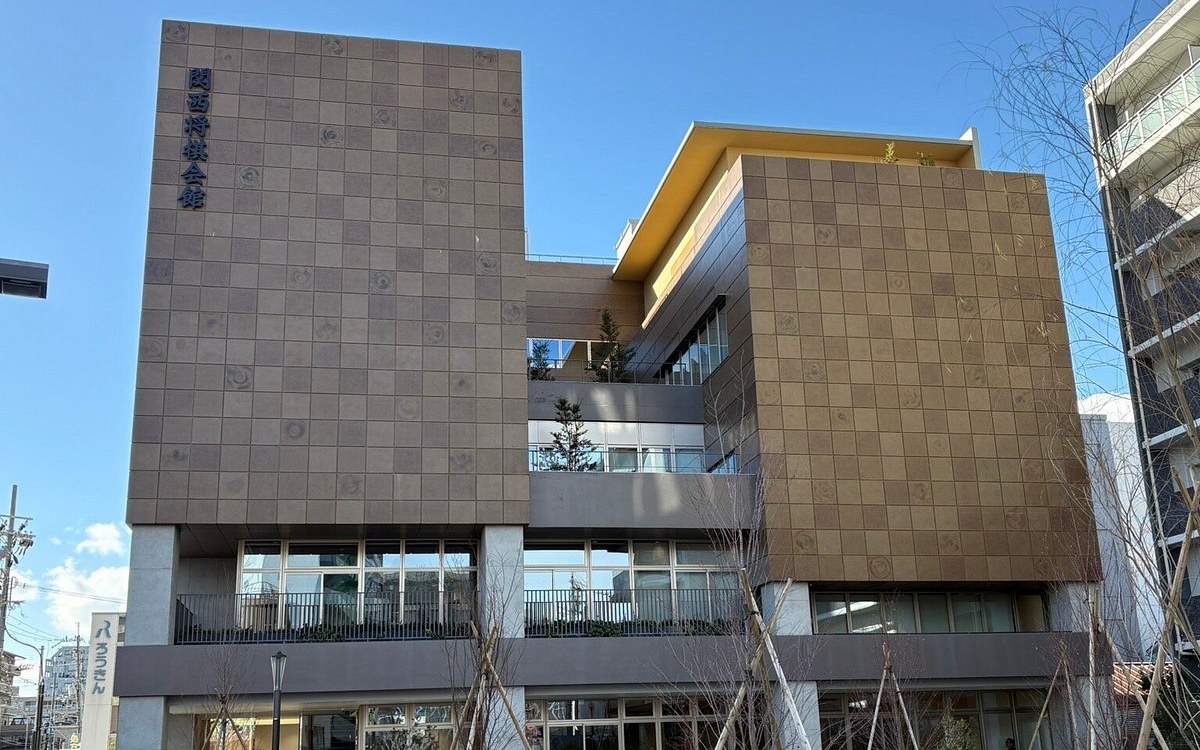
Reopened in December 2024 in front of JR Takatsuki Station. The ground floor has a shop and dojo, and official professional games are played upstairs.
Visit ›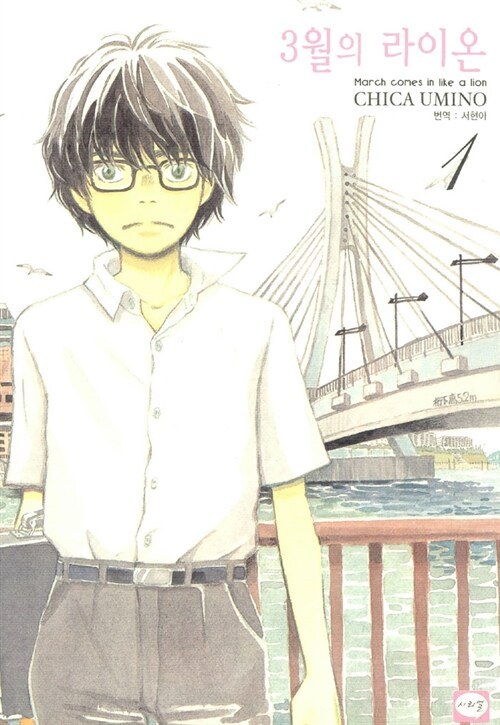
Rei Kiriyama turned pro in middle school; lonely after losing his family, he grows through the Kawamoto sisters and his rivals. Adapted into an anime and live-action films.
Buy ›
A young man who left the professional training league dives into the world of money-match players (shinkenshi). Also a 2008 TV drama.
Buy ›
A shogi-club romantic comedy: Ayumu vows to confess to his senpai once he beats her at shogi, and challenges her every day. Also an anime.
Buy ›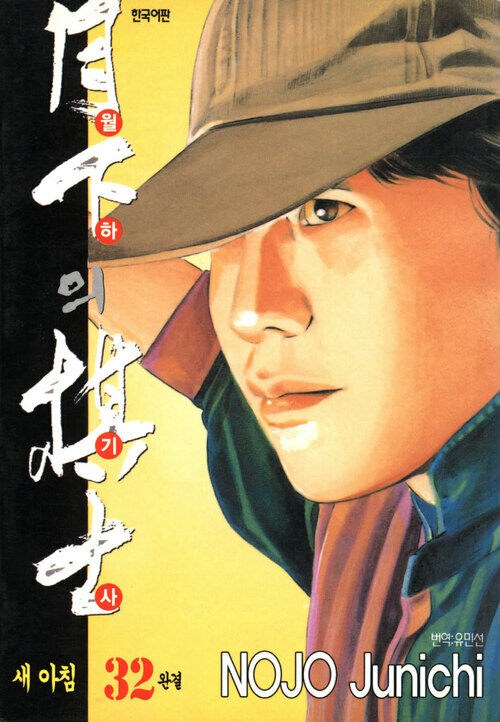
Shōsuke Himuro, an unconventional prodigy, becomes a legend among players who stake their lives on the game. The defining shogi manga of the 1990s.
Buy ›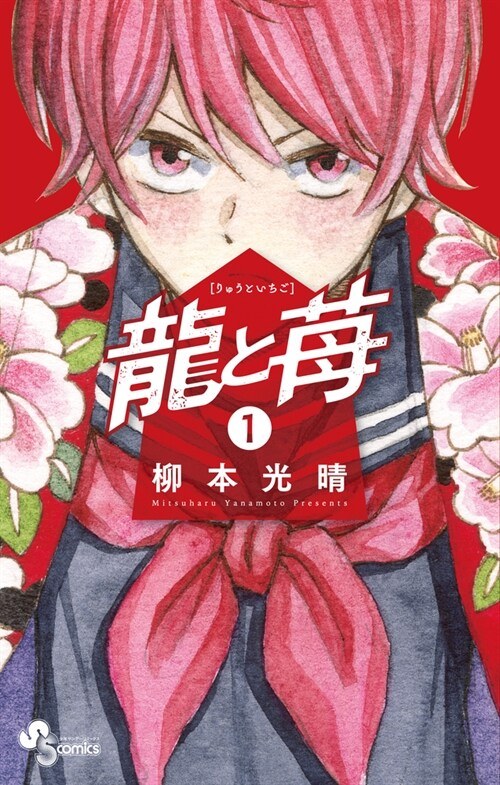
Middle-schooler Ichigo Aida discovers her talent in a game against a teacher and charges headlong into the professional world.
Buy ›
A man who gave up on turning pro because of the age limit rises again through amateur play to challenge the professional world.
Buy ›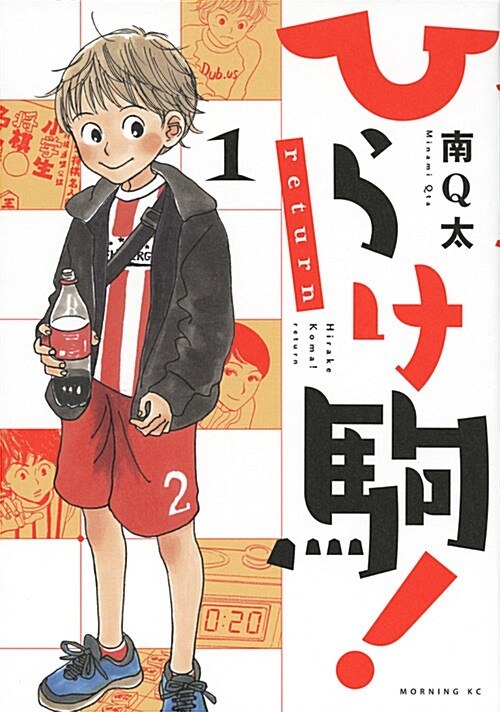
An elementary-school boy who dreams of becoming a professional, and the mother who cheers him on and falls for shogi herself.
Buy ›
An essay manga about the daily life of professional Akira Watanabe, drawn by his wife — the quirky side of a title holder.
Buy ›
The serious battles and growth of women professionals, supervised by an active women's professional.
Buy ›
Shirow Shiratori's light novel about a 16-year-old Ryūō title holder and his elementary-school disciple; also a manga and TV anime.
Buy ›
Yoshio Ōsaki's non-fiction about Satoshi Murayama, who fought illness from childhood while dreaming of the Meijin title.
Buy ›
The true story of Shōji Segawa, who left the training league at the age limit, rebuilt his game as an amateur, and passed the professional entrance exam at 35.
Buy ›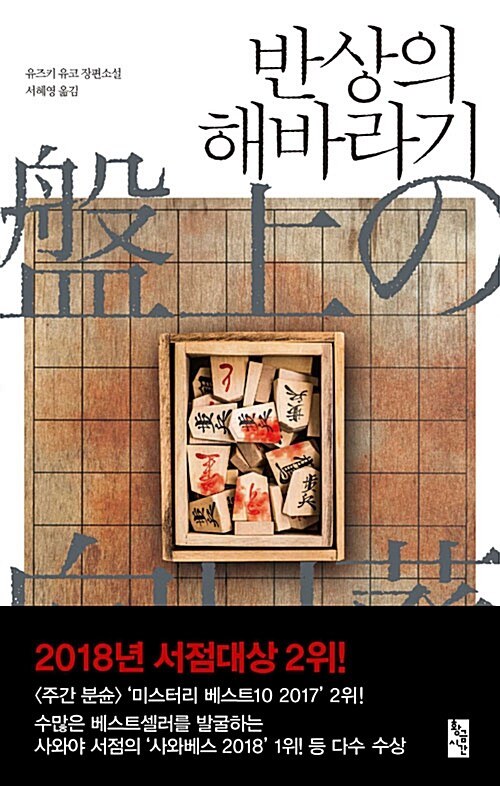
A skeleton found in the mountains, buried with a masterpiece set of shogi pieces, leads investigators into the past of a gifted player.
Buy ›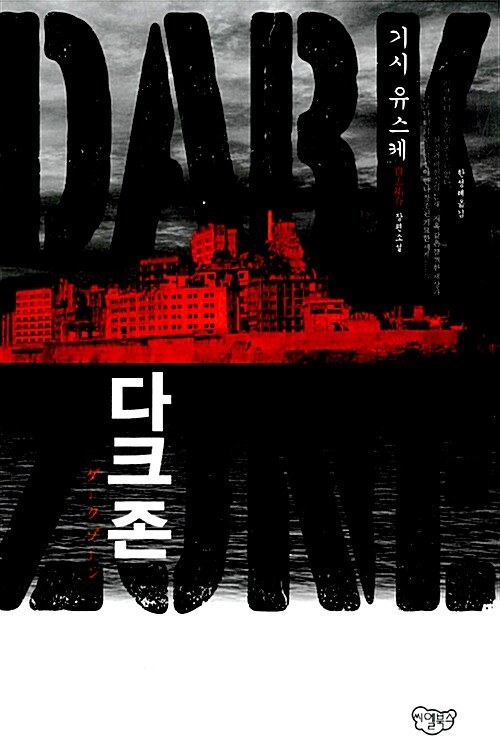
A shogi apprentice wakes on a strange island and must lead an army of monsters that move and promote like shogi pieces in a battle to the death. By the author of The Black House.
Buy ›
Ken'ichi Matsuyama gained a great deal of weight to play Satoshi Murayama; Masahiro Higashide plays his rival Yoshiharu Habu.

Ryuhei Matsuda plays Shōji Segawa in this true story. Director Toshiaki Toyoda was himself in the training league as a boy.

Kentaro Sakaguchi plays the gifted player Keisuke Kamijō and Ken Watanabe a legendary money-match player. Also an NHK drama in 2019.
Visit ›
Abandoned by her father, a shogi prodigy, Asuka (Non) turns to shogi for revenge and, coached by former professional Tōdō, aims to become the first woman professional. 8 episodes.
Visit ›
Ryūmi Tendō (Mone Kamishiraishi), once tipped to be the first woman professional, becomes a rookie lawyer who reads every case like a shogi opening.
Visit ›
Two seasons, 44 episodes on NHK, carefully capturing both the warmth of the original and the tension of the games.
Visit ›
Twelve episodes about 16-year-old Ryūō Yaichi Kuzuryū and his elementary-school disciple Ai Hinatsuru.

A shogi-club romantic comedy of push and pull between senpai and kōhai. 12 episodes.
Visit ›
Shion, who lost her voice after her parents' deaths, grows into a women's professional while drawing closer to the truth. 22 episodes.

One of the most popular online shogi apps in Japan, with short time controls for quick games.
Visit ›
An international shogi site in English and many other languages, where you can play fans from around the world.
Visit ›
A free, ad-free, open-source shogi site. Play the computer or other people right in your browser.
Visit ›
A free app where a chick character plays against you, with AI opponents from beginner to strong.

Live broadcasts of professional games, including title matches, with AI evaluation of the position.
Visit ›
Japan's dedicated go and shogi channel, broadcasting professional games — title matches and qualifying leagues — with commentary programmes.
Visit ›